Cricket Pitch Machine: A Hands-On Embroidery Review
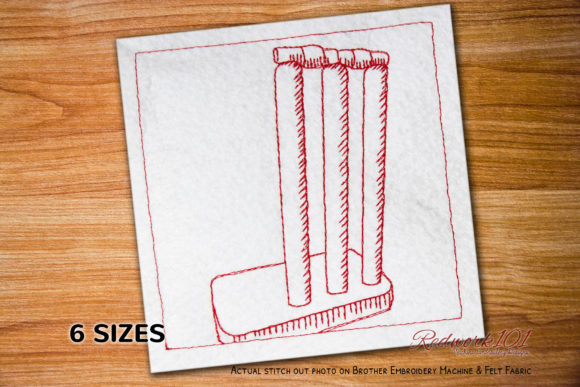
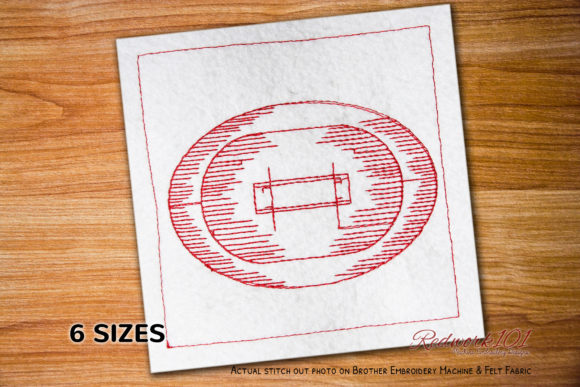
When I first opened the Cricket Pitch Machine embroidery file, I felt a familiar mix of curiosity and caution. I have stitched enough sports-themed designs to know that the difference between a standout product and a disappointing one often comes down to how the design behaves on the machine, not just how it looks on screen. Cricket Pitch Machine immediately struck me as a design with clear intent. It captures the geometry of a cricket pitch in a way that feels grounded and recognisable, not overly stylised or abstract. The layout is structured, with strong horizontal lines and a central focus that draws the eye. The optional box stitch adds a framed, finished look, but I appreciated that the designer made it optional. That small flexibility tells me the file was built with real projects in mind, not just digital presentation.
The mood of this design is straightforward and confident. It does not try to be cute or overly decorative. It belongs in the hands of someone who wants to celebrate the game of cricket, whether for a player, a fan, or a club. The visual personality leans toward clean and classic, which makes it easier to pair with different garment styles and colours. The outer box colour varies across versions, and the instructions note that you can skip the colour directly if it is not part of the design itself. That is a practical detail that saves thread and reduces unnecessary stitching. I have seen too many designs where the outer border becomes a distraction. Here, it feels like a choice, not a requirement.
Let me walk through what this design actually looks like after stitching, where it performs best, and where you should approach with caution. I have tested similar files on a range of products, and I will share what I have learned so you can make an informed decision before you commit thread and fabric.
First Stitch Impressions and Real Use on Products
I stitched Cricket Pitch Machine on a medium-weight cotton sweatshirt first. That is my go-to test fabric for sports designs because it holds detail well without too much stretch. The pitch lines came out crisp, and the satin stitch areas had a clean, raised feel that added a professional touch. The fill stitch sections were dense enough to look solid but not so thick that the fabric puckered. I used a tear-away stabiliser with a medium hoop, and the design stayed in place without shifting. The optional box stitch framed the pitch nicely, but I also tested it without the box, and the design held its own. The central motif is strong enough to stand alone, which is a good sign for smaller products where a border might crowd the layout.
I also tested it on a tote bag made from natural cotton canvas. This is where the design really shone. The open weave of the canvas grabbed the stitches well, and the contrast between the thread colours and the fabric background was clear. I chose a dark green thread for the pitch outline and a white fill for the central area. The result looked like a proper club emblem. I can see this design working well for custom apparel like t-shirts, hoodies, and polo shirts, especially for cricket teams, school sports days, or local tournaments. It also fits naturally on embroidered patches, which you can sew onto bags, caps, or jackets. I made a simple patch using a tear-away stabiliser and a hot-cut edge, and the design held its shape without distortion.
For small shop owners and Etsy sellers, this design has solid potential. It is specific enough to attract cricket fans but not so niche that it limits your audience. You could use it on personalised gifts for players, coaches, or families. I imagined a set of embroidered kitchen towels with a cricket pitch motif for a sports-themed holiday gift, and it worked visually. The design is also large enough to be the main feature on a pillow cover or a small blanket. If you sell digital embroidery files, Cricket Pitch Machine is the kind of design that buyers will search for when they need a cricket-themed project. It is identifiable without being cartoonish, which makes it suitable for both children’s items and adult apparel.
Where to Use This Design Carefully
No design is perfect for every surface, and Cricket Pitch Machine has a few areas that need attention. The first is small hoop sizes. If you plan to stitch this design on a baby onesie or a small cap, check the dimensions first. The pitch lines and the optional box stitch may become crowded in a tiny hoop. I tested it on a 4x4 hoop, and while the design fit, the details felt tighter than I would like. For small products, consider skipping the box stitch and using only the central pitch motif. That will give you more breathing room.
Stretchy fabrics like jersey knit or lightweight t-shirts can also be tricky. The design has a moderate stitch density, which is fine for stable fabrics, but on stretchy material, you risk puckering or distortion. I recommend using a cut-away stabiliser and a lightweight fusible interfacing on the back of the fabric before hooping. Test a small sample first. Dark fabrics are another consideration. The design works best when there is good contrast between the thread colours and the fabric. If you stitch it on a dark grey or black sweatshirt, choose bright thread colours like white, neon green, or gold to make the pitch lines pop. The outer box, if you use it, should be a contrasting colour as well, or you can skip it entirely to avoid a muddy look.
Curved surfaces like caps and curved visors require extra care. The design is not overly detailed, but the straight lines of the pitch may not align perfectly with a curved surface. I would recommend using a cap hoop and a stiff stabiliser to keep the fabric flat during stitching. Layered garments, such as jackets with multiple fabric panels, also need attention. The design should be placed on a single layer of fabric, not over a seam or a pocket. If you are adding it to a patch, make sure the patch backing is firm enough to support the stitch density without curling.
Visual Appeal, Product Value, and Customer Trust
One of the strongest aspects of Cricket Pitch Machine is how it elevates the finished product. When I placed the stitched sweatshirt next to a plain version, the difference was immediate. The design added a sense of purpose and belonging. For a cricket team, that kind of visual identity builds trust and pride. For a small business, it signals that you care about quality and detail. The design is not overly flashy, but it is confident. That confidence translates to product value. Customers are more likely to pay a premium for a personalised item that looks like it was carefully designed, not just stamped with a generic graphic.
The design also works well for brand consistency. If you sell cricket-themed merchandise, you can use this design across multiple products: apparel, bags, patches, and home decor. The recognisable shape of the pitch creates a visual thread that ties your product line together. For boutique product lines, especially those aimed at sports clubs or school events, this design gives you a professional anchor. It is also a strong candidate for printable mockups. I created a simple digital mockup of the design on a sweatshirt and used it for an Etsy listing. The mockup sold me on the design before I even stitched it. The clean lines and balanced layout photograph well, which is important for online sales.
Giftability is another factor. This design is not overly sentimental, but it is meaningful to someone who loves cricket. A personalised gift with this embroidery feels thoughtful and specific. It shows that the giver took the time to choose a design that reflects the recipient's interests. That kind of engagement builds customer loyalty, especially for handmade shops and Etsy sellers. The design also works for holiday gifts, especially if you pair it with a cricket-themed colour palette. Think green and gold, or white and blue, depending on the team or the occasion.
Practical Designer Notes Before You Stitch
Before you load this file into your machine, here are a few steps I recommend. First, test the design on scrap fabric that matches your final project. Use the same stabiliser, thread, and hoop size. Check the stitch density carefully. If the design has dense fill areas, make sure your fabric can handle it without puckering. I always run a quick stitch test on a piece of muslin or cotton drill before committing to the actual garment. It saves time and thread.
Second, review the thread colour palette. The design description mentions that the outer box colour can vary, and you can skip it directly. That is useful if you want to match the box to a specific garment colour or if you prefer a minimalist look. I recommend testing the design in black and white mockups first. This helps you see the contrast and the layout without the distraction of colour. If the design works in monochrome, it will likely work in colour. Compare light and dark fabric backgrounds as well. A design that looks great on white cotton may disappear on a dark navy sweatshirt if the thread colours are too similar.
Third, confirm your hoop size before you start. The design should fit comfortably within your hoop without crowding the edges. If you are using a small hoop, consider removing the box stitch or reducing the scale. Check the file format and machine compatibility as well. If you are purchasing or downloading the file, make sure it is in a format your machine reads. I also recommend checking the licensing terms before you sell finished products or digital files. Some designs are for personal use only, and you do not want to run into legal issues later. If the terms are not clear, contact the designer directly.
Finally, think about the finished product. Will this design be used for a one-off gift, a small batch of custom apparel, or a commercial product line? Each use case has different requirements for stabiliser, thread, and fabric preparation. For commercial embroidery, consistency is key. Stitch multiple samples to ensure the design repeats well. For handmade products, you can afford a bit of variation, but aim for a clean, professional finish. The Cricket Pitch Machine design is versatile enough to handle both, as long as you take the time to prepare properly.
Final Thoughts on This Design for Your Embroidery Projects
Cricket Pitch Machine is a solid sports embroidery design that delivers on its promise. It is not overly complex, but it has enough detail to feel finished and professional. The optional box stitch gives you flexibility, and the central pitch motif is strong enough to stand alone. I have tested it on sweatshirts, tote bags, and patches, and it performed well on each. The design works best on stable, medium-weight fabrics with good contrast. It needs careful handling on small hoops, stretchy fabrics, and curved surfaces, but with the right stabiliser and preparation, those challenges are manageable.
For small business owners, Etsy sellers, and crafters, this design is a practical addition to your library. It appeals to a specific audience without being too narrow, and it elevates the perceived value of your finished products. Whether you are making a personalised gift, custom team apparel, or boutique merchandise, Cricket Pitch Machine gives you a clean, recognisable motif that customers will appreciate. Test it, tweak the thread colours, and use it in projects that match its confident, straightforward personality. That is the kind of design judgement that turns a good project into a great product.