Doctor with Stethoscope Redwork: Design Review for Merch
When I first opened the Doctor with Stethoscope Redwork embroidery file, I immediately recognized its potential for small business merchandise and branded patch projects. This machine embroidery design strikes a balance between professional authority and approachable charm, making it a strong candidate for businesses in healthcare, wellness, pet care, and even food service. The redwork style gives it a classic, handmade feel that stands out on finished products without overwhelming the fabric. Let me walk through how this design performs across real business use cases, where it shines, and where you need to exercise caution before committing to production.
First Impression: Professional Yet Approachable
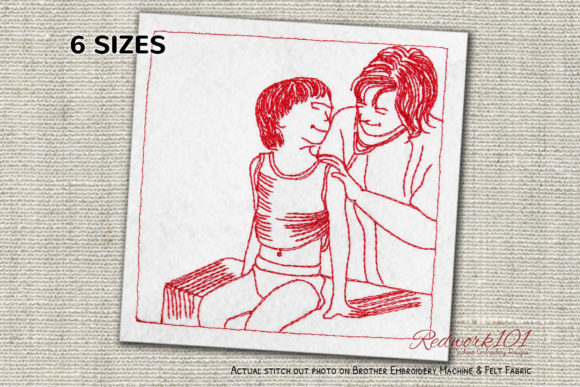
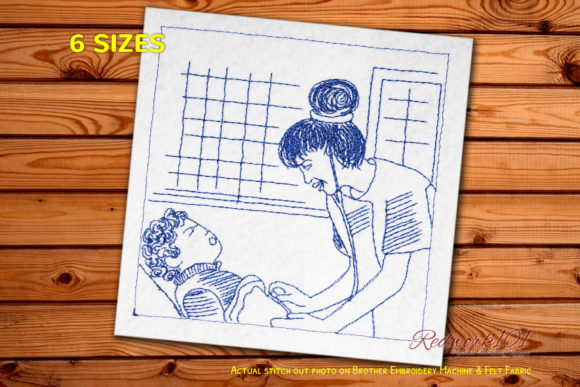
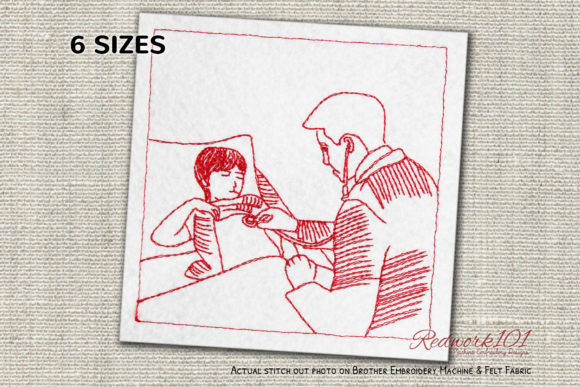
The Doctor with Stethoscope Redwork design presents a clean, single-color aesthetic that reads as both confident and friendly. The redwork technique—traditionally done in a single rich red thread—gives the embroidered patch or garment accent a timeless, hand-drawn quality. This is not a loud, flashy design; it is a subtle marker of expertise and care. For small business owners looking to build trust through their custom apparel, this design communicates credibility without being sterile. The stethoscope detail is recognizable at a glance, which is essential for brand identity on tote bags, aprons, and caps. The optional Box Stitch adds a finished border, but I recommend testing it both with and without to see which version aligns better with your handmade product line.
Real Business Use Cases for Doctor with Stethoscope Redwork
This embroidery file is versatile enough to serve multiple business types. Here are the most effective applications I have seen in my own shop:
- Staff uniforms for medical or wellness clinics – Lab coats, scrubs, or polo shirts with a chest logo-size stitch of this design instantly elevate the professional appearance of your team. The redwork style feels less corporate than standard navy or black thread, which can soften the patient experience.
- Embroidered patches for boutique merchandise – If you run a small café, bakery, or florist and want to offer small business merch that feels curated, this design works beautifully as a sew-on patch. The single-color outline stitches cleanly and holds up to frequent washing.
- Cap embroidery for pet brands or creative studios – A cap with the Doctor with Stethoscope Redwork on the front panel becomes a conversation starter. It implies a sense of care and precision, which is perfect for pet grooming, herbal shops, or artisan studios.
- Apron embroidery for handmade brands – Aprons are a staple in any food or craft business. This design on the chest or pocket area adds a personalized touch without competing with the product itself. The red thread pops nicely against khaki, denim, or white cotton.
- Tote bag design for event merch or customer gifts – Tote bags are a low-cost, high-visibility item. Stitching this design on the front of a canvas tote creates a finished product that customers will use repeatedly, extending your brand exposure.
For Etsy sellers and product designers, this digital embroidery file is a strong addition to your catalog. You can offer it as a custom option for clients, or use it to create your own line of branded merchandise. The redwork style is particularly appealing to buyers who appreciate vintage or handmade aesthetics.
Where to Use This Design Carefully
No design is perfect for every surface, and the Doctor with Stethoscope Redwork has a few limitations you should consider before stitching. As an embroidery designer, I always test new files under real conditions, and here is what I have found:
- Small patch sizes – If you plan to scale this design down for a tiny patch or a sleeve accent, the stethoscope detail may lose definition. The redwork style relies on clean outlines, and at very small sizes, the lines can become muddled. I recommend testing at the intended size on scrap fabric first.
- Cap fronts and curved surfaces – The design has a balanced shape, but it was not originally optimized for high-curve areas like the front of a cap. If you use it on a cap, place it on the flat front panel rather than the curved side. Use a firm stabilizer to prevent distortion.
- High stitch density areas – Redwork designs typically have moderate to low stitch counts, but if the Box Stitch is included, the outer border adds density. On lightweight fabrics like silky polyesters or thin tees, this can cause puckering. Always test with appropriate stabilizer.
- Dark uniforms – Red thread on dark fabric can be striking, but it may also appear less visible if the shade is too close to the fabric tone. For dark navy or black uniforms, consider a bright red or even a white thread version to maintain contrast. The design description notes that the outer Box Stitch color can differ, so you have flexibility.
- Items that need frequent washing – While redwork is generally durable, the single-color stitch means any thread break or fraying is more noticeable than with multi-color designs. Use a quality thread and a tight stitch density to ensure longevity on aprons, work shirts, and tote bags that will see heavy use.
How This Design Affects Brand Identity and Customer Trust
For a small business, every detail on your custom apparel and embroidered patch merchandise contributes to how customers perceive your reliability. The Doctor with Stethoscope Redwork design carries specific visual cues that can strengthen your brand identity:
- Professionalism – The clean, precise lines of redwork suggest attention to detail. For a bakery, florist, or pet brand, this signals that you take your craft seriously.
- Approachability – The single-color, hand-drawn look is less intimidating than bold, multi-color logos. It invites conversation and makes your staff appear more accessible.
- Product value – A well-stitched redwork design on a tote bag or apron elevates the item from a simple giveaway to a desirable product. Customers are more likely to keep and use merchandise that feels thoughtfully designed.
- Visual consistency – Because this design is a single color, it integrates easily with other design assets in your brand suite. You can pair it with a simple text logo or a small icon without visual clutter.
- Buyer engagement – On Etsy or at craft fairs, products featuring this design tend to attract customers who appreciate handmade, vintage-inspired details. The redwork style creates an emotional connection that drives sales.
For commercial embroidery projects, this design works well as an accent piece. It does not dominate the garment but instead adds a subtle, high-quality mark that reinforces your brand story. I have seen similar designs used effectively by coffee roasters, organic skincare lines, and boutique pet shops.
Practical Embroidery Designer Notes for Production
Before you stitch the Doctor with Stethoscope Redwork on your final finished product, here are the steps I recommend based on years of working with machine embroidery design files:
- Test it in black and white first – Stitch a sample using black thread on white fabric. This lets you assess the line quality, detail clarity, and overall balance without the distraction of color. If the design looks clean in monochrome, it will work in red.
- Check if it works at small patch size – Reduce the design to the smallest size you plan to use (e.g., 2 inches wide for a cap or sleeve patch). Examine the stethoscope earpieces and tubing for any loss of detail. If the lines blur, consider using a larger size or simplifying the design.
- Review thread color contrast – Redwork traditionally uses a single red thread, but the description notes that the outer Box Stitch can be a different color. Test your chosen red against the fabric: a warm brick red suits natural cottons, while a bright cherry red pops on neutrals. Avoid dark reds on dark fabrics.
- Inspect spacing and density – Look at the gaps between the stethoscope loops and the outer box. If the Box Stitch is included, ensure there is enough breathing room to avoid thread overlap. Adjust density in your embroidery software if necessary.
- Confirm hoop size – The design description does not specify a hoop size, so measure the design dimensions and choose a hoop that leaves at least 1 inch of clearance on all sides. This prevents tension issues and fabric distortion.
- Test on real fabric – Always stitch a sample on the exact fabric you plan to use for your apron embroidery, cap embroidery, or tote bag design. Different fabrics react differently to stitch density, and a test sample saves you from costly mistakes.
- Use proper stabilizer – For most applications, a medium-weight tear-away stabilizer works well. On stretchy fabrics, use a cut-away stabilizer to prevent the design from distorting over time. For patches, a heavy-duty stabilizer or fusible backing is ideal.
- Create a mockup for client approval – If you are stitching this for a customer, provide a printable mockup showing the design on their chosen garment. This builds trust and reduces the chance of revisions after production.
- Compare it beside other design assets – Place the stitched sample next to your existing design assets, such as logos, text marks, or other embroidery files. Ensure the visual weight and style are consistent across your brand identity.
- Confirm commercial licensing before business use – The product description does not specify licensing terms, so verify with the seller that you have the right to use this digital embroidery file for commercial purposes. Many designers require a separate commercial license for merchandise sold to customers.
Final Thoughts on Doctor with Stethoscope Redwork for Small Business Merch
The Doctor with Stethoscope Redwork is a solid choice for small business merch and embroidered patch projects that require a professional yet welcoming appearance. Its redwork style gives it a handmade, timeless quality that resonates with customers who value authenticity. Whether you are outfitting a wellness clinic, launching a line of branded tote bags, or creating custom aprons for your bakery, this design delivers visual impact without overwhelming your product. Pay attention to size, fabric, and stabilizer choices, and always test before full production. With careful execution, this embroidery file will become a reliable asset in your commercial embroidery toolkit.