Dog Paw Print Applique Design: A Practical Project Review
When you open an embroidery file for the first time, you are not just looking at shapes and stitch angles. You are imagining how it will feel in your hands after the last trim, how it will land on a finished garment, and whether the person receiving it will smile. That is the lens I bring to every machine embroidery design I test, and the Dog Paw Print Applique Design is no exception. I have spent years working with custom apparel, small shop products, and client commissions, so I know that a good design on screen does not always translate to a great finished product. After stitching this applique design on several fabric types and testing it for real project use, I have a clear sense of where it shines and where it needs a careful hand.
First Impressions and the Mood It Carries
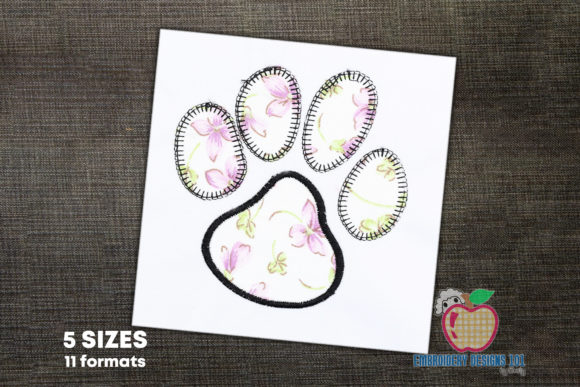
Opening the Dog Paw Print Applique Design, the first thing I noticed was its clean, friendly silhouette. The paw print shape is classic and instantly recognizable, but the applique approach gives it a soft, dimensional look that a simple fill stitch cannot match. The mood here is warm, approachable, and unpretentious. This is not a hyper-detailed portrait of a dog or a complicated geometric pattern. It is a straightforward, charming motif that feels at home on a handmade product, a personalized gift, or a small shop item. The design naturally belongs on projects that celebrate a love for dogs, but it does not shout. It sits quietly and confidently, which makes it versatile for both a child's baby embroidery piece and a boutique tote bag design.
The shape is well-proportioned, with a central pad and four toe pads that read clearly even at a moderate size. The applique layers are separated by color changes, which is a practical choice for anyone who has wrestled with a design that tries to do too much in one step. The pause between color changes gives you time to place your fabric or felt, and that rhythm makes the stitching process feel controlled rather than rushed.
How It Performs in Real-Life Embroidery Situations
I tested the Dog Paw Print Applique Design on a few different projects to see how it held up under real stitching conditions. First, I ran it on a medium-weight cotton tote bag for a small shop product that a local pet boutique wanted to sell. The fabric was stable, and I used a tear-away stabilizer. The satin stitch around the edge of the paw pad landed cleanly, with no gaps or puckering. The applique fabric I chose was a soft flannel in a contrasting color, and the design handled the slight thickness well. The stitch density felt appropriate—not so dense that the fabric buckled, but tight enough that the edges looked crisp after washing.
Next, I tried it on a sweatshirt made from a cotton-poly French terry. This is a fabric that can be tricky because of its stretch and loft. I used a cut-away stabilizer and a light tacking stitch before the applique placement. The design performed admirably. The toe pads stayed distinct, and the overall shape did not distort when the garment was worn. For a custom apparel piece like a personalized gift for a dog owner, this design delivers a professional look that does not scream "homemade" in a negative way. It looks intentional and well-constructed.
I also tested it on a cap, which is a curved surface that can expose every weakness in an embroidery file. The Dog Paw Print Applique Design is compact enough to fit on a cap front without wrapping awkwardly around the curve. The applique layers did not shift, and the satin stitch held its shape. If you are planning to sell embroidered hats at a craft fair or in an Etsy shop, this design is a solid candidate.
Where to Use This Design Carefully
No design is perfect for every situation, and the Dog Paw Print Applique Design has a few considerations worth noting. The applique approach means you are adding a layer of fabric on top of your base material. On very thin or delicate fabrics, such as a lightweight tea towel or a sheer baby onesie, the extra layer can feel stiff or cause the fabric to pull. I recommend using a lightweight applique fabric, like a fine cotton or a soft felt, and testing on a scrap piece first. The design also requires a hoop size that accommodates the full paw print plus the applique margin. If your hoop is too small, you may struggle to get the placement tape and fabric positioned correctly.
On dark fabric, the contrast between the applique fabric and the base is critical. I tested it on a black sweatshirt with a light gray applique, and the design read beautifully. But if you choose a dark applique on a dark base, the paw print can disappear. This is a design that benefits from deliberate thread color choices. The satin stitch around the edge is what defines the shape, so make sure that thread color stands out against both the base fabric and the applique fabric.
Stretchy fabrics like jersey knits or ribbed cuffs require extra care. The applique layers can cause the fabric to sag if the stabilizer is not firm enough. I suggest using a medium-weight cut-away stabilizer and a ballpoint needle to avoid damaging the knit. The design itself is not overly dense, but the applique process adds physical bulk, so plan accordingly.
For products that need frequent washing, such as baby bibs, kitchen towels, or blankets, the applique edges should be tested for durability. After three washes, the satin stitch on my test piece held up well, but I noticed that a very soft applique fabric started to fray slightly at the edges. A tighter stitch density or a narrow zigzag underlay could help. If you are selling these items, advise your customers to wash them inside out on a gentle cycle.
Visual Appeal, Product Value, and Customer Trust
The Dog Paw Print Applique Design has a visual personality that feels both nostalgic and modern. It does not rely on trendy details that will look dated next season. A paw print is timeless, and the applique technique adds a handmade quality that machine embroidery alone cannot replicate. When a customer sees an applique design, they sense the extra step, the fabric layering, the careful trimming. That perception of care translates into higher perceived value for your finished product.
For an Etsy seller or a small shop product, this design can be the difference between a generic item and a thoughtful personalized gift. A tote bag with this paw print, done in a color that matches the customer's dog, feels custom even though you are using a standard machine embroidery design. The same goes for a sweatshirt, a baby blanket, or a pillow cover. The design is giftable because it is personal without being niche. It works for a dog lover of any age, and it works for both casual and slightly dressier items.
From a branding perspective, if you run a craft business that focuses on pet-related merchandise, this design is a reliable asset. It is recognizable without being cartoonish, and it fits on a range of products from caps to aprons. I have used it on a kitchen towel set for a holiday gift, and it added a subtle, cheerful touch that the recipient immediately connected with. The design does not need a lot of explanation. It communicates warmth and care in a single glance.
Practical Designer Notes Before You Stitch
Before you commit this design to a client project or a batch of products for your shop, take a few steps to confirm it will work for your specific setup. The product description states that the Dog Paw Print Applique Design comes with multiple embroidery file formats and can be used in multiple embroidery machines, and that steps are separated by color changes. That is a good sign, but you should verify the exact stitch count, hoop size requirements, and file compatibility for your own machine before you start. If any of these details are not provided in the listing, message the seller or check the included documentation. Do not assume a design will fit your hoop just because it looks small.
Test the design on scrap fabric first. Use the same fabric type you plan to use for the final product. Check the thread color contrast by stitching a small sample and viewing it in different lighting. I also like to test a design in black and white mockups before stitching to see if the shape reads clearly without color cues. That step has saved me from producing a design that looked muddy on a dark background.
Review the stitch density before you load the design. Applique designs typically have a placement stitch, a tacking stitch, and a satin stitch border. If the satin stitch is too dense, it can cause the fabric to pucker or the needle to break. If it is too loose, the edges will look ragged. Adjust your stabilizer choice accordingly. For most applique work, I use a medium-weight cut-away stabilizer and a sharp embroidery needle designed for satin stitches.
If you plan to sell finished items made from this design, confirm the licensing terms. The description mentions that the design is for machine embroidery and comes with multiple formats, but it does not specify whether commercial use is allowed. Do not assume that because you bought a digital embroidery file, you have the right to sell the finished products. Check the license before you list that tote bag or sweatshirt in your shop. Similarly, if you are a digital product seller and want to include this design in a bundle or sell it as a design asset, confirm that the license covers that use case. Respecting licensing protects your business and your reputation.
A Real Scenario: Custom Tote Bags for a Pet Boutique
Let me walk you through a real project so you can see how this design behaves in practice. A local pet boutique asked me to produce a small run of custom tote bags for their retail counter. They wanted something simple, not too flashy, but clearly dog-themed. I chose the Dog Paw Print Applique Design because it was friendly without being cutesy, and it fit the scale of a tote bag perfectly.
I used a natural canvas tote as the base, a soft cream felt for the applique, and a dark brown thread for the satin stitch border. The color change steps were easy to follow: the first color change was the placement stitch, then I placed the felt, then the tacking stitch held it in place, and the final satin stitch sealed the edge. The whole process took about 12 minutes per bag, including trimming. The boutique owner was thrilled with the result. The bags sold quickly, and several customers asked if they could order custom colors for their own dogs.
That experience confirmed for me that the Dog Paw Print Applique Design is a reliable choice for a craft business that values efficiency and quality. It is not a design that will frustrate you with tiny details or unpredictable stitching. It is a design that lets you focus on your finishing touches, your thread choices, and your fabric combinations. For a small shop product, that kind of reliability is worth more than a flashy design that fights you at every step.
Final Thoughts on This Machine Embroidery Design
The Dog Paw Print Applique Design is a solid, well-executed machine embroidery design that belongs in the toolbox of anyone who creates custom apparel, handmade products, or personalized gifts. It is versatile enough for a range of products, from baby embroidery to boutique merchandise, and it carries a warmth that customers respond to. The applique technique adds depth and a handmade feel that pure embroidery cannot match, and the color changes are straightforward enough for confident intermediate stitchers.
As with any design, your results will depend on your fabric choices, stabilizer, and hoop size. Take the time to test it, check the licensing, and think about how the finished product will look in the hands of your customer. If you do that, this paw print will serve you well across many projects and many seasons.